Data Synchronization Hurdles in Multi-Brand Reward Ecosystems and Their Effect on Claim Success Rates
Iris Richter · Oct 4, 2026
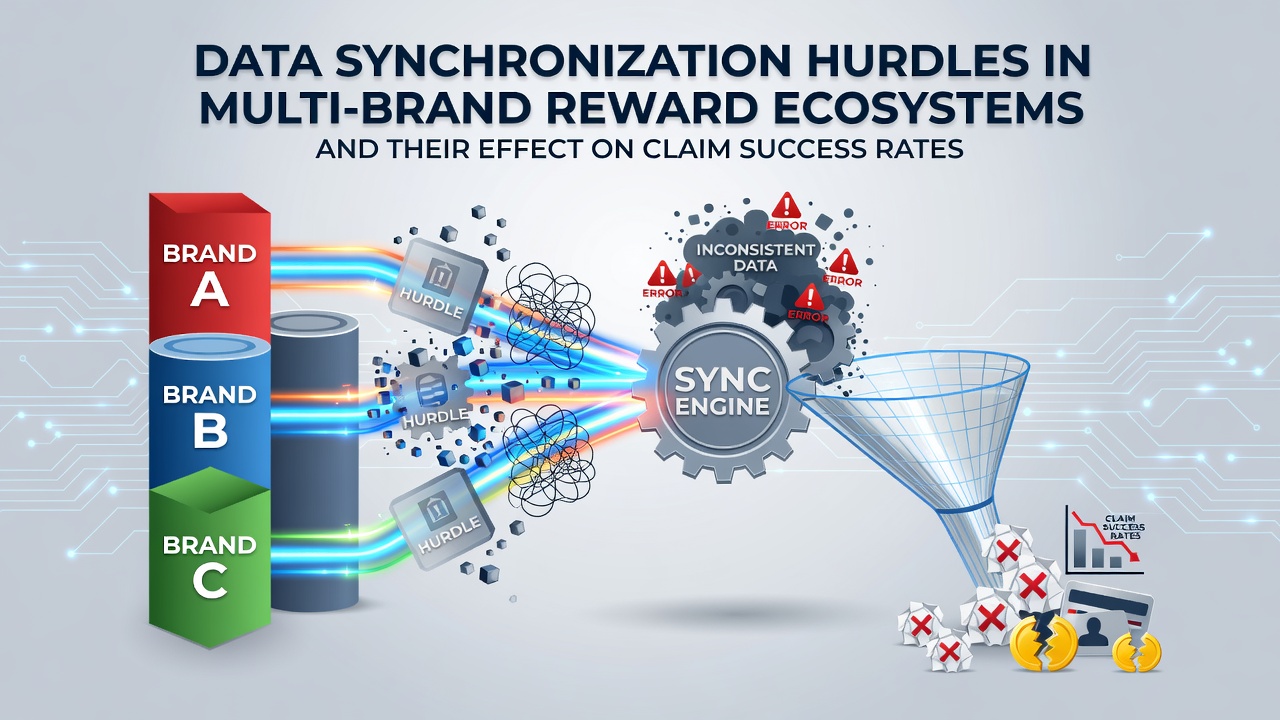
Data Synchronization Hurdles in Multi-Brand Reward Ecosystems and Their Effect on Claim Success Rates
Multi-brand reward ecosystems connect loyalty programs, sweepstakes entries, and promotional incentives from various companies into unified platforms where participants accumulate and redeem benefits across partners, yet data synchronization problems frequently disrupt these flows and reduce successful claim rates.
Core Components of Multi-Brand Reward Systems
These ecosystems rely on shared databases that track user activity, point balances, and eligibility criteria from different brands, while application programming interfaces handle transfers of information between systems operated by separate entities. Researchers have documented that when one brand updates a participant's profile with new entries or redemptions, the change must propagate instantly to all connected partners or else discrepancies appear in verification processes.
Observers note that October 2026 saw increased integration of such systems following regulatory updates in several regions, with companies expanding cross-brand partnerships to boost engagement volumes. Data from these integrations shows that timing mismatches in updates often surface during high-volume periods like holiday promotions.
Primary Synchronization Challenges
Latency in data transmission stands out as a recurring issue because network delays between servers prevent real-time alignment of records, and this creates situations where a claim request references outdated point totals or entry counts. Studies indicate that API rate limits imposed by individual brands further compound the problem when high traffic volumes trigger throttling and slow down the exchange of critical details.
Format inconsistencies add another layer since different brands store user identifiers and transaction histories using varying standards, which forces middleware to perform conversions that sometimes introduce errors or omissions. Those who analyze these platforms report that duplicate accounts emerge when email or phone number matching fails across systems, leading to fragmented profiles that block automated approvals during claim reviews.
Direct Effects on Claim Success Rates
Claim success rates drop when synchronized data arrives incomplete or late, because verification protocols require exact matches between submitted details and stored records before releasing prizes or points. Figures from industry analyses reveal that synchronization failures account for a notable portion of rejected claims in multi-partner setups, particularly when users attempt redemptions shortly after earning rewards from one brand that has not yet updated partner databases.
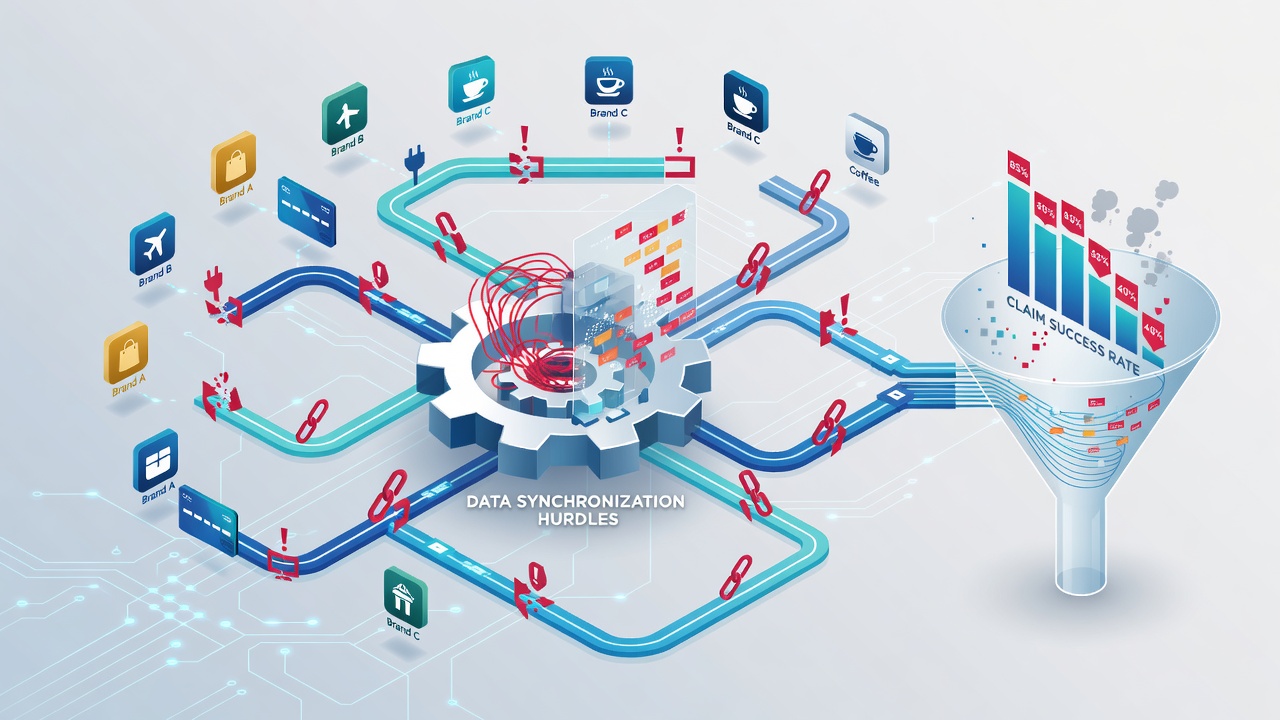
People who monitor these ecosystems find that partial data syncs create temporary holds on accounts, extending processing times from days to weeks in some documented cases. Evidence suggests that geographic factors play a role too, as time zone differences between brand servers can delay batch updates and affect users in regions with strict claim deadlines.
Documented Patterns and Contributing Factors
Take one analysis of promotional campaigns from 2025 that examined thousands of claims across North American and European partners and showed higher failure rates during peak entry periods when synchronization queues backed up. According to reports from the Federal Trade Commission, consumer complaints about unredeemed rewards often trace back to mismatched records in partnered loyalty programs rather than user errors alone.
Security protocols that require periodic re-authentication between systems introduce additional checkpoints where syncs can stall, especially if one brand's authentication service experiences outages. Researchers at academic institutions have examined these patterns and identified that legacy software used by smaller partners frequently lacks the capacity for continuous data streams, forcing reliance on periodic pulls that miss interim changes.
Approaches to Addressing These Issues
Companies have implemented event-driven architectures that push updates immediately upon any change, reducing the window for discrepancies in multi-brand setups. Data shows that standardized data schemas adopted through industry collaborations help minimize conversion errors during transfers, while monitoring tools alert operators to sync failures before they impact user claims.
Additional measures include redundant verification layers that cross-check multiple data sources during claim processing, though these add steps that extend overall timelines. Observers note that regulatory guidance from bodies such as the Australian Competition and Consumer Commission encourages transparent disclosure of potential delays in reward ecosystems to set accurate participant expectations.
Conclusion
Data synchronization hurdles in multi-brand reward ecosystems continue to shape claim outcomes through latency, format mismatches, and propagation delays that prevent timely record alignment. Research indicates these technical constraints directly lower success rates by creating mismatches that automated and manual reviews flag during processing. Ongoing refinements in integration methods and monitoring offer pathways to higher reliability, yet the interconnected nature of these systems means persistent attention to data flows remains essential for maintaining functional reward programs.