Database Synchronization Barriers in Joint Prize Promotion Campaigns
Ines Hoffmann · Nov 15, 2026
Database Synchronization Barriers in Joint Prize Promotion Campaigns
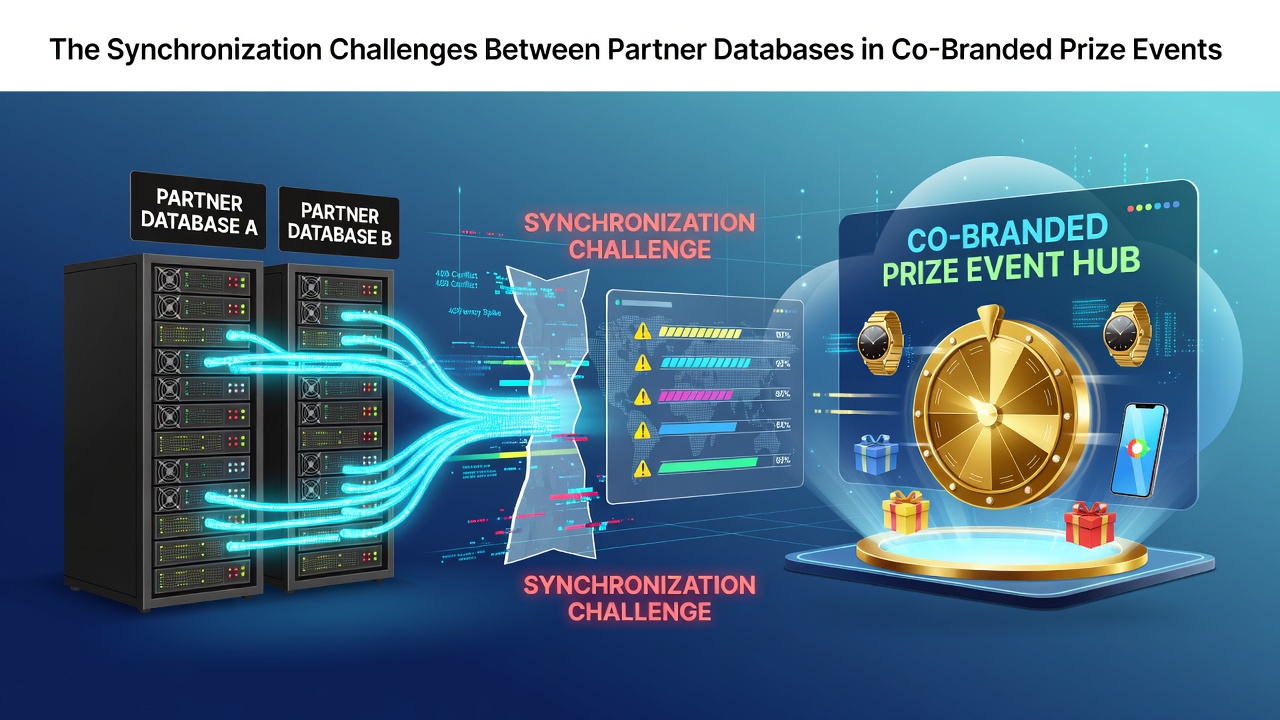
Co-branded prize events require multiple organizations to share entrant information, eligibility records, and prize distribution logs through interconnected database systems, yet these setups frequently encounter alignment problems that disrupt operations. Companies involved in such promotions often maintain separate data architectures built on different platforms, and when entries flow between them the records can diverge in format, timing, or accuracy. Observers note that even minor discrepancies in how participant details are stored or updated can lead to duplicated entries, missed notifications, or incorrect prize assignments during peak activity periods.
Core Technical Integration Problems
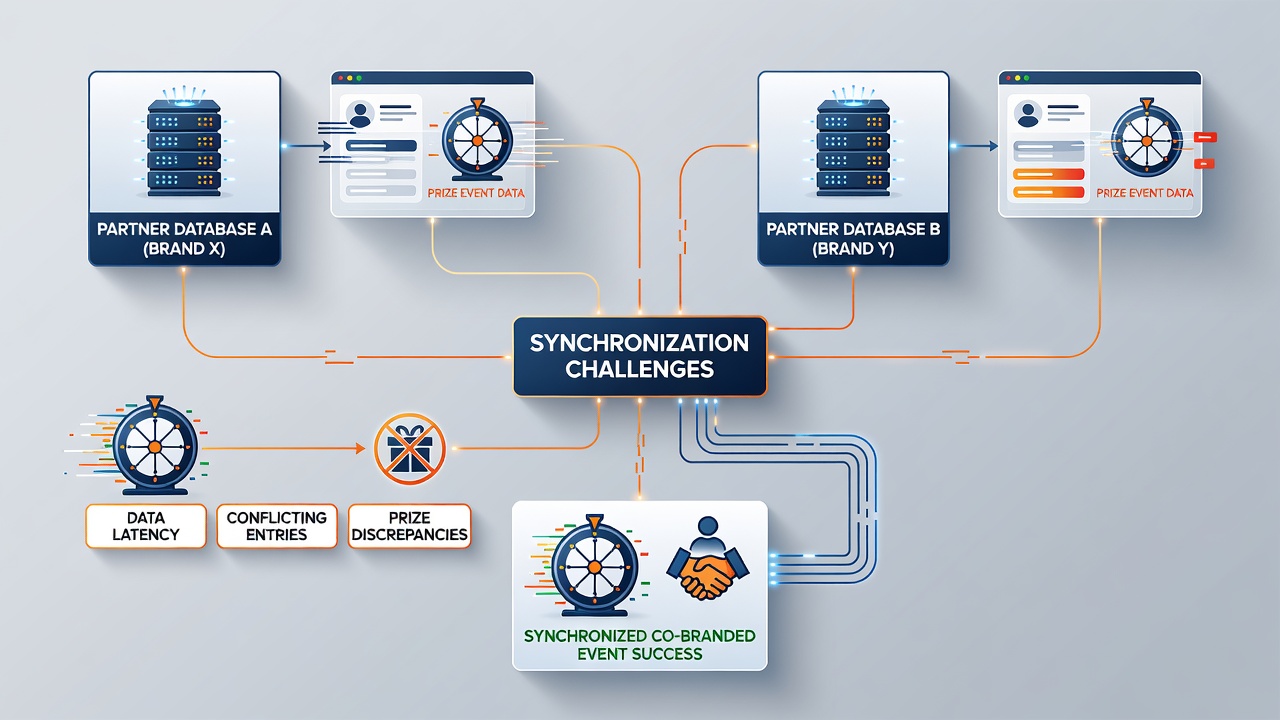
Partner organizations typically rely on distinct database management systems, and merging these creates friction around data formats, field definitions, and update frequencies. One common issue arises when one partner records timestamps in local time while another uses coordinated universal time, which produces mismatched activity logs that complicate winner selection processes. Researchers at academic institutions have documented cases where mismatched encryption standards between systems delayed real-time synchronization, forcing manual reconciliation steps that extended processing windows by several hours. Data volume spikes during high-traffic campaigns further strain these connections, because batch transfer protocols may not scale efficiently when thousands of new records arrive simultaneously from multiple entry channels.
Impact on Entry Validation and Prize Allocation
Accurate validation depends on every partner database reflecting the same eligibility status at the moment a draw occurs. When synchronization lags occur, an entrant who has already reached daily limits on one platform might still appear eligible on another, leading to over-issuance of entries or subsequent disqualifications after initial selection. Studies from industry research groups indicate that such mismatches have affected campaigns involving retail and media partners, where location-based rules required cross-referencing postal codes stored in separate tables. The result often involves delayed prize claims, because winners must then supply additional verification that should have been confirmed automatically during the initial sync cycle.
Regulatory and Compliance Considerations Across Regions
Promotional campaigns spanning multiple jurisdictions must satisfy data protection requirements that differ by territory, and these rules directly influence how partner databases exchange information. Canadian privacy regulations, for instance, impose strict consent tracking that partners must mirror across systems, whereas Australian competition authorities focus on transparent record-keeping for prize draws. When databases fall out of sync on consent flags or audit trails, organizers risk non-compliance notices that halt ongoing distributions. Figures from regulatory filings reveal that multi-partner events scheduled for November 2026 will face heightened scrutiny around cross-border data flows, prompting some teams to implement additional logging layers that further complicate real-time alignment.
What's interesting is how error propagation works in these environments. A single incorrect status update in one system can cascade through linked records, altering prize pools or eligibility counts for thousands of participants before detection occurs. Industry reports from trade associations highlight that automated reconciliation tools using checksum comparisons have reduced such incidents in recent years, yet human oversight remains necessary when legacy systems lack modern APIs.
Case Examples from Recent Campaigns
Take one electronics manufacturer and streaming service that collaborated on a multi-week giveaway in 2025. Their shared entrant database experienced repeated desyncs during nightly batch updates, because the streaming partner processed new sign-ups in real time while the manufacturer relied on daily exports. Observers documented that several winners received duplicate prize notifications before the error was isolated and corrected through targeted database queries. Another instance involved a food brand and travel company whose joint promotion required geolocation verification; differing data granularity in their respective tables caused some entries from border regions to be flagged inconsistently, delaying claim processing for affected participants.
Approaches to Reducing Synchronization Failures
Organizations have begun adopting standardized data schemas adn event-driven architectures that push changes across partners as they occur rather than relying on scheduled pulls. According to findings published by data management research centers, implementing conflict resolution protocols that prioritize the most recent verified timestamp helps maintain consistency even when network interruptions arise. Some teams also introduce periodic full audits that compare record counts and key fields between all connected systems, catching drift before it affects prize outcomes. These measures become especially relevant as campaigns grow more complex, incorporating additional partners and layered entry mechanics that multiply the points of potential misalignment.
Conclusion
Database synchronization challenges in co-branded prize events stem from differences in system design, timing conventions, and regulatory demands that partners must navigate together. Effective coordination requires both technical solutions such as standardized schemas and operational practices including regular audits, because the accuracy of entrant data and prize distribution depends on continuous alignment across all participating platforms. As joint promotions continue to expand in scope, the ability to maintain synchronized records will determine how smoothly these campaigns deliver results to entrants and organizers alike.